ABOUT US
PROPERTIES
events
news
RESOURCES
Become a member
Explore Properties
Close Street View
Featured Property
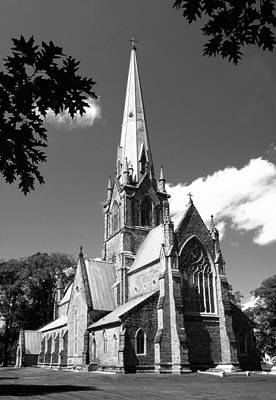
Christ Church Cathedral
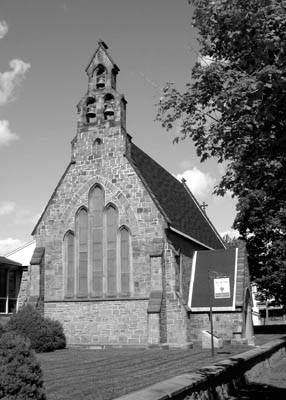
Completed in 1853, Christ Church Cathedral was hailed as North America’s most important Gothic Revival building.
Added:
March 15, 2026
learn more
Explore Properties
Plaqued
203 Regent Street
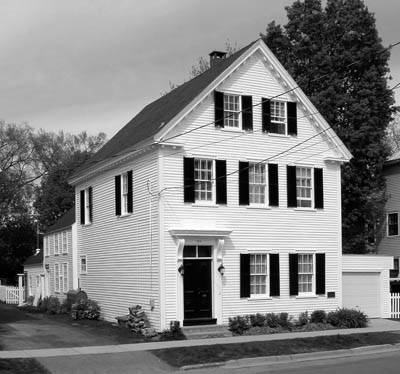
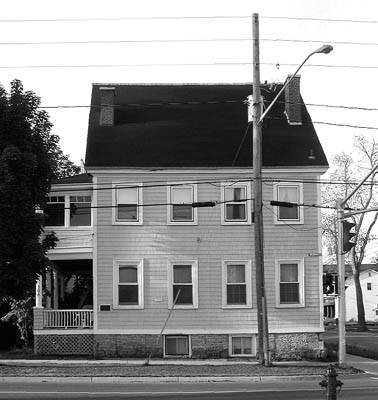
Erected 1833 for stagecoach operator George Turner, the house features one of Fredericton's finest Greek Revival porticos.
Learn More
Plaqued
868 George Street
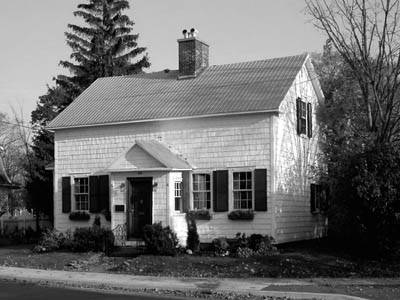
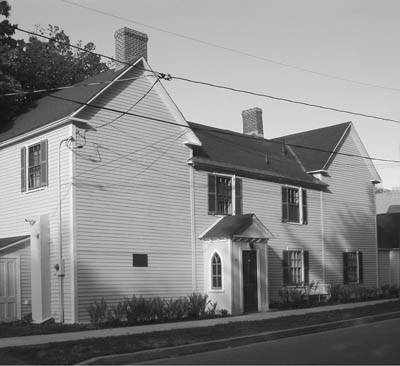
Erected c.1800, the Isaac Allen Cottage housed a prominent Loyalist judge and remains among Fredericton’s oldest homes.
Learn More
Plaqued
759 George Street
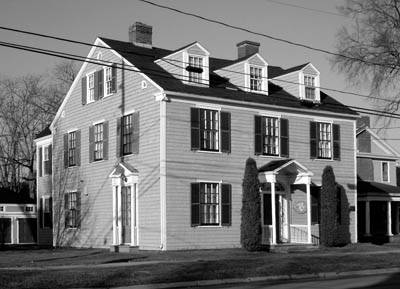
Built 1826 by Alward Harned, involved in constructing the first Government House, this home reflects early Fredericton craftsmanship.
Learn More
Plaqued
758 George Street
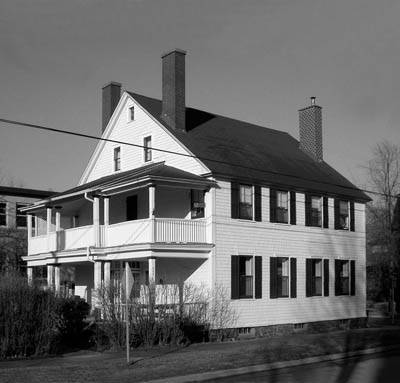
Built around 1855, this former Odell farm cottage later became the home of Premier A.G. Blair.
Learn More
Plaqued
731 Brunswick Street
Built around 1830, this longtime Allen family home reflects Fredericton’s early founding families
Learn More
Plaqued
74 Shore Street
Erected c.1840 by John Block, this house may preserve one of Fredericton’s few pre-Loyalist remnants.
Learn More
Plaqued
734 George Street
The 1829 Rectory was home to clergy and Canada’s literary Roberts family, shaping English verse in New Brunswick.
Learn More
Plaqued
725 George Street
Built 1847, Fernholme was designed by architect Frank Wills and later home to Fredericton figures including James Hogg and Col. Robinson.
Learn More
Plaqued
199 St. John Street
Moore House, built 1843, housed Fredericton schoolmasters for generations, starting with Madras School principal Hugh Moore.
Learn More
Plaqued
260 University Ave
Built c.1830, Sunbury Cottage was home to the Richey family for generations, one of Fredericton’s longest-held family homes.
Learn More
Plaqued
750 Brunswick Street
Built c.1800, Bliss Beckwith House was home to Rev. George Pidgeon and later prominent local leaders in Fredericton’s early history.
Learn More
Departmental Building
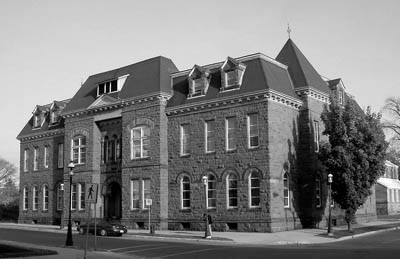
Built in 1888 by architect R.C. John Dunn, the Departmental Building showcases New Brunswick’s historic Richardsonian Romanesque style.
Learn More
Plaqued
306 Brunswick Street
Built c.1825 by sons of Loyalist Benjamin Ingraham, this prominent family home reflects Fredericton’s early 19th-century roots.
Learn More
177 University Ave
Built c.1833, Saunders House was home to Chief Justice John Saunders and incorporates materials from the original Government House.
Learn More
York County Courthouse
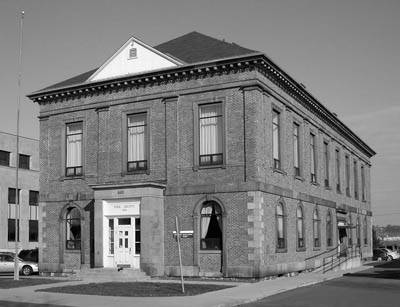
Erected 1855–58, this former Market and Court House is a rare Maritime example of combined civic use in brick and stone.
Learn More
Significant
Wilmot United Church
Built in 1852, this Gothic Revival church was famed for its 199-foot spire and features acclaimed art, stained glass, and superb acoustics.
Learn More
Significant
St. Paul's United Church
Built in 1886, St. Paul’s is a National Historic Site and striking High Victorian Gothic Revival church with a 160-foot steeple
Learn More
Significant
St. Anne's Chapel of Ease
Built 1846–47, St. Anne’s is a National Historic Site and one of North America’s finest Gothic Revival parish churches.
Learn More
Significant
Sir Howard Douglas Hall
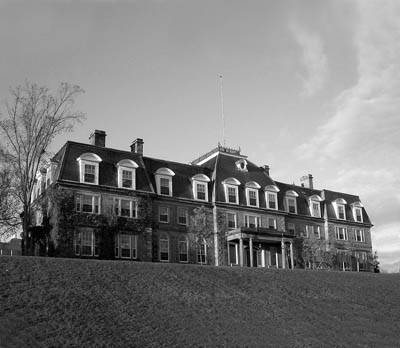
Canada’s oldest working university building, opened in 1829 and home to Sir Howard Douglas Hall.
Learn More
Significant
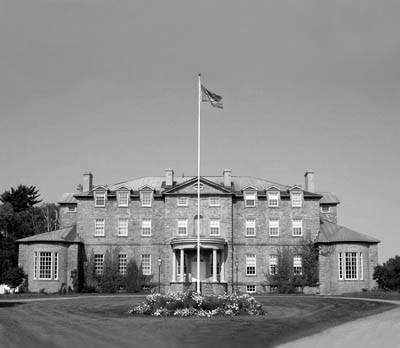
Old Government House
Old Government House, completed 1828, reflects British Palladian style and today houses NB’s Lieutenant–Governor.
Learn More
Significant
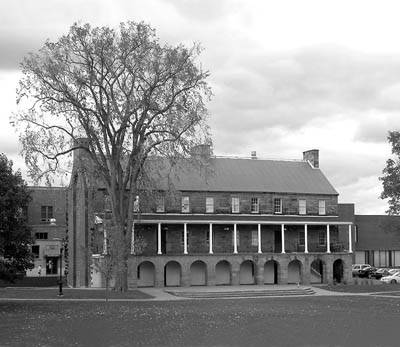
Officer's Quarters
Built 1839–1851, this Georgian Military Compound once housed British troops and now hosts the York-Sunbury Historical Society Museum.
Learn More
Significant
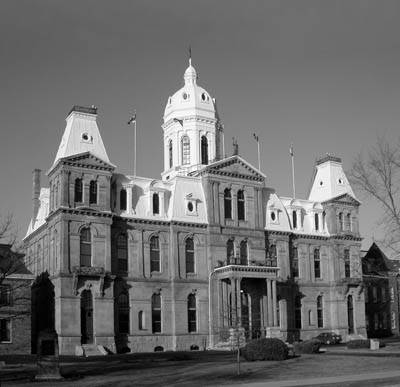
Legislative Assembly Building
Opened in 1882, NB’s Legislature designed by J.C. Dumaresq is a Second Empire masterpiece of Dorchester sandstone and Spoon Island granite
Learn More
Significant
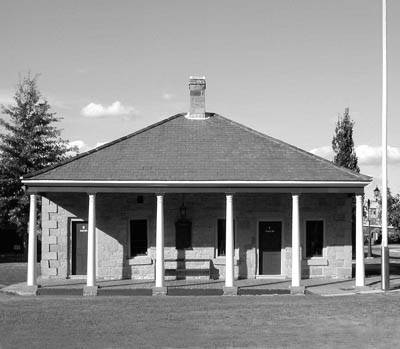
Guard House
Built in 1828, this sandstone Guard House held cells, guard and orderly rooms, blending military function with Neoclassical elegance.
Learn More
Significant
Christ Church Cathedral
Completed in 1853, Christ Church Cathedral was hailed as North America’s most important Gothic Revival building.
Learn More
Significant
82 Shore Street
Built c.1840, this was poet Bliss Carman’s boyhood home, later called Cosey Cottage, and remains a literary landmark.
Learn More
Significant
811 Charlotte Street
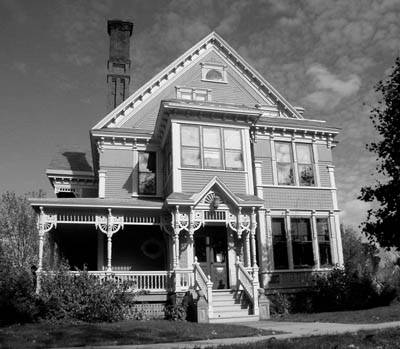
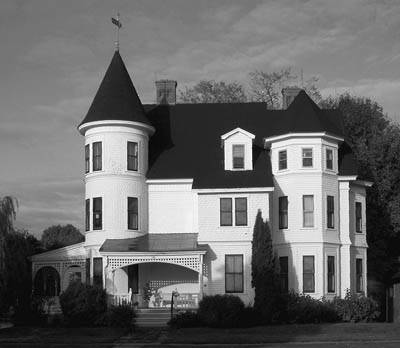
Built c.1895 in Queen Anne style, this former residence—once home to BMO managers—now houses UNB’s Renaissance College.
Learn More
Significant
808 Brunswick Street
This was the residence of the first Provincial Secretary, the Hon. Jonathan Odell, perhaps the most accomplished of our Loyalist arrivals.
Learn More
Significant
Plaqued
774 King Street
Built in 1787, the Smyth House reflects Loyalists’ urgent need for quick, practical shelter over architectural refinement
Learn More
Significant
736 King Street
Over its 200+ year history, this house has been home to prominent Frederictonians, including Sir Howard Douglas.
Learn More
158 Odell Avenue
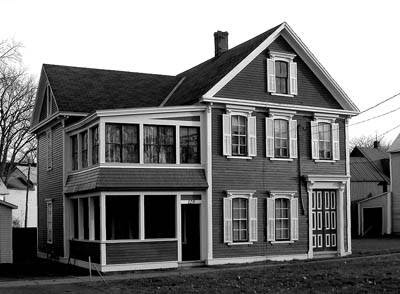
Built in 1900 by tailor William Anderson, this wood clapboard home features a 1920s corner-bay addition and is rumored to be haunted.
Learn More
155 Smythe Street
Circa 1902, this Beaux-Arts home with grand porch, ionic columns, and stained glass was built as a wedding gift to Wardlow Kilburn.
Learn More
142 Charlotte Street
Circa 1860-70, this Wheeler-then-Scott home features original windows, doors, pine siding, and one of downtown’s largest residential lots.
Learn More
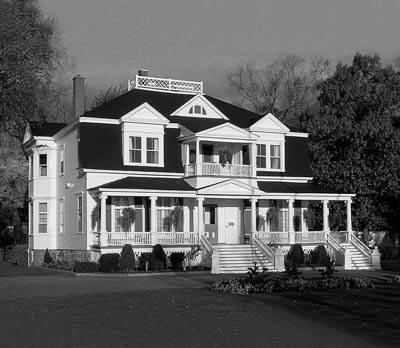
132 Waterloo Row
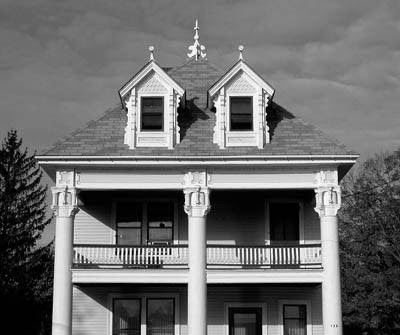
Built in 1902 for canoe maker Harry Chestnut, this hip-roofed home boasts bold columns, ornate dormers, and canoe-canvas balcony.
Learn More
126 Waterloo Row
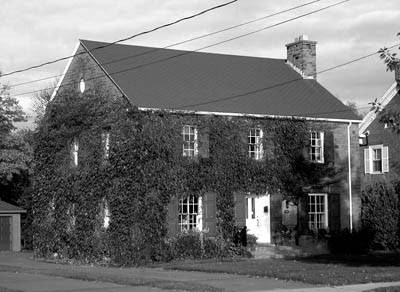
Inspired by Good Housekeeping’s 1937 House of the Year, Judge William J. West built this stone home in 1938; Mary Pratt grew up here.
Learn More
124 St. John Street
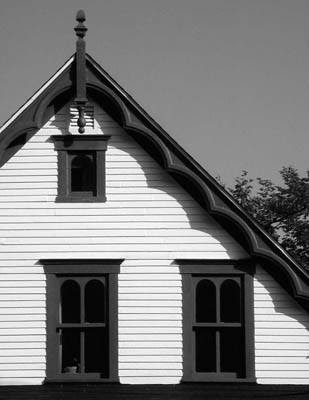
Circa 1860, this 2½-storey Carpenter Gothic home features ornate bargeboard trim, arched 2-over-2 windows, and a steep gable roof.
Learn More
120 Smythe Street
Built in 1874 by industrialist Joseph C. Risteen with factory-made details, this arch-windowed home remains in family hands.
Learn More
12-14 Waterloo Row
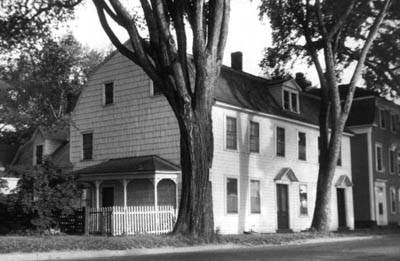
Built c.1785 by Loyalists Duncan & John McLeod, this gambrel-roof inn hosted colonial elites; now rare waterfront survivor turned apartments
Learn More
114 George Street
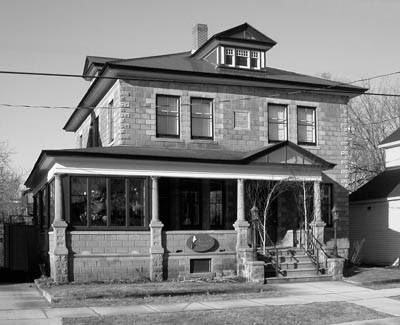
1911 textured concrete block gem by Mayor Storey Hooper; grand porch, 42" door, rich wood & floral stained glass—now a flower shop.
Learn More
103 & 115 Church Street
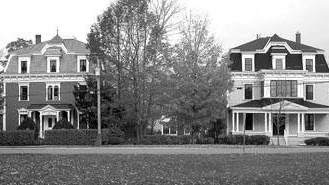
Pre-1873 twins near the Cathedral: matching Second Empire forms; #103 grand verandah, #115 ornate porch & charming carriage house.
Learn More
Plaqued
102 Waterloo Row
Part of this house may actually be pre-Loyalist. During part of the 20th century, owned by the late Hon. Muriel McQueen Fergusson.
Learn More
102 Queen Street
This large building, the first house of cut stone in Fredericton, was built shortly after 1820 by Anthony Lockwood, surveyor general of N.B.
Learn More
Lost
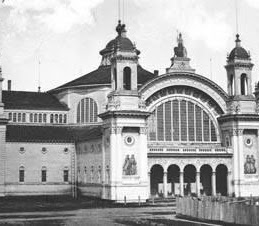
Old Exhibition Palace
Fredericton’s Exhibition Palace was one of the greatest works of wooden architecture that Canada had ever seen.
Learn More
Lost
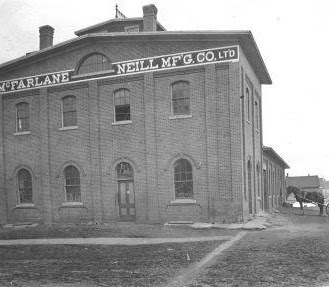
McFarlane-Neill Building
Started in 1863, McFarlane’s 1882 brick factory made farm tools, later WWII shells—a key part of St. Mary’s history.
Learn More
Significant
248 Smythe Street
This large Georgian house is said to have been built circa 1840 by John Elliott Woolford (1778-1866).
Learn More
Significant
238 Waterloo Row
The site and manor known as "Somerville House" have gone through many changes and incarnations in its long life.
Learn More
Significant
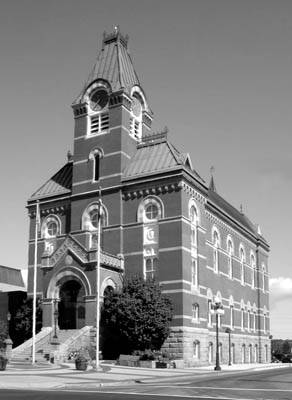
Fredericton City Hall
Built 1875–76 in Second Empire style, City Hall rose from fire and features a 115-ft clock tower still hand-wound today.
Learn More
Plaqued
232 Northumberland Street
This timber-girt frame house was built in 1846 by carpenter William Taylor and occupied by his family for the next 130 years.
Learn More
Significant
Old Burial Ground
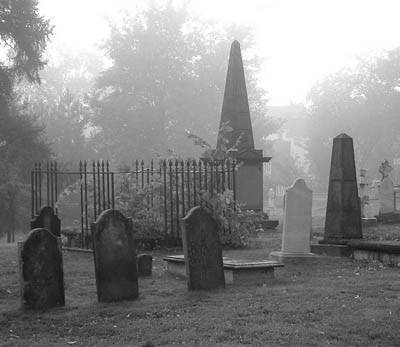
Within these serene grounds is the most historically important cemetery in New Brunswick.
Learn More
146 Waterloo Row
A superb example of Queen Anne architecture built in 1895, this house was the home of Henry and Helen Chestnut. Henry was a well-known hardw
Learn More